
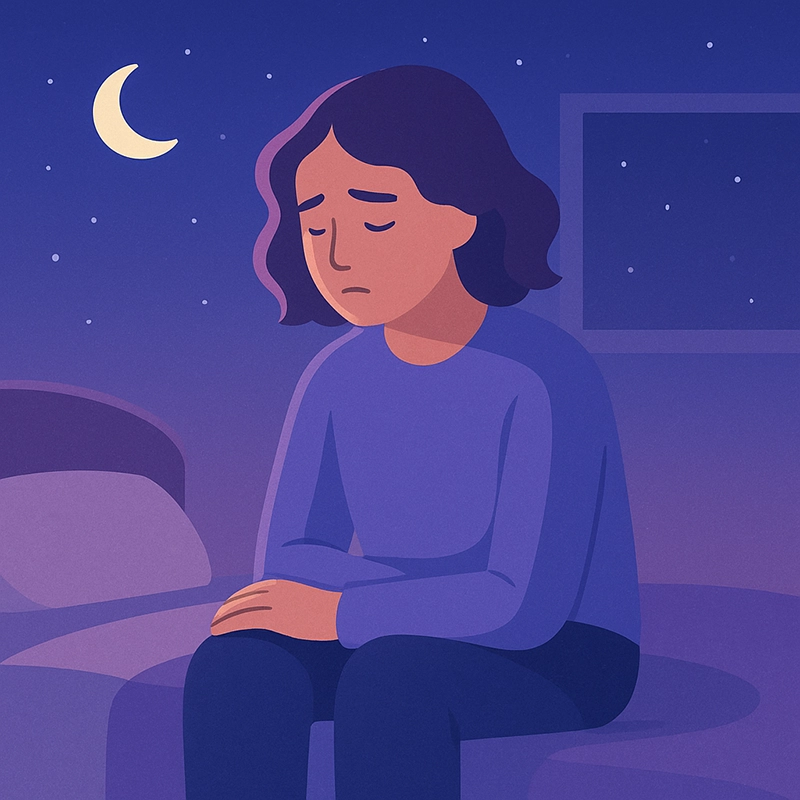
The Science Behind Evening Derealization & Detachment
Many people with depersonalization-derealization disorder (DPDR) notice a pattern: their symptoms feel worse at night. During the day, things might feel “manageable,” but once the sun goes down, the world can feel more unreal, distant, or dreamlike.
If you’ve ever thought, “Why do my derealization episodes spike in the evening?” or “Why do I feel more detached right before bed?”, you’re not imagining it. There are real reasons why DPDR symptoms can feel stronger at night.
This article breaks down what’s going on — and shares practical ways to make evenings feel safer and more grounded.
1. Fatigue Makes the Brain More Sensitive to DPDR Symptoms
By the time evening arrives, your brain and body have been processing stimuli all day: conversations, screens, decisions, stress, notifications, and emotions. That mental fatigue lowers your ability to brush off strange sensations.
When you’re tired, you’re more likely to notice and worry about:
- Subtle visual changes (things looking “flat” or “off”)
- Feelings of being on autopilot
- Detachment from your thoughts or surroundings
- Classic derealization or depersonalization episodes
The sensations may not actually be stronger — but your brain has fewer resources to ignore them, so they feel louder.
2. Darkness Changes How the World Looks and Feels
Derealization is all about how the world feels, not how it logically is. At night, lighting naturally becomes dimmer and more artificial. Shadows deepen, colors flatten, and your depth perception changes — especially indoors.
For someone prone to derealization episodes, this can make everything feel more:
- Unreal or dreamlike
- Distant or hazy
- Movie-like or staged
This doesn’t mean anything is wrong with your vision. It just means that normal nighttime visual changes are being filtered through a sensitized nervous system.
3. Evenings Are Quieter — So Your Mind Gets Louder
During the day, your attention is pulled outward: work, errands, conversations, noise. At night, the world quiets down — and your mind has more space to focus on internal sensations.
This can lead to:
- Hyper-focusing on “How do I feel right now?”
- Checking for derealization or depersonalization symptoms
- Spiraling thoughts about never feeling normal again
The more you scan for DPDR symptoms, the more your brain sees them as important — which keeps the cycle going.
4. Anxiety and Cortisol Can Spike Before Bed
For some people, anxiety doesn’t fade at night — it builds. As you slow down, unresolved worries, to-do lists, and fears about sleep can all surface.
When anxiety rises, so does nervous-system activation. This can:
- Trigger derealization episodes (“The room suddenly feels unreal”)
- Intensify depersonalization (“I feel far away from myself”)
- Make normal sensations (heart rate, breathing changes) feel threatening
Your brain is more likely to misinterpret these sensations as danger — which strengthens DPDR symptoms.
5. Screens, Blue Light, and Overstimulation Don’t Help
Late-night scrolling, gaming, or binge-watching can keep your brain in a wired, alert state long after your body wants to wind down. Bright screens, fast-changing images, and emotional content all keep your nervous system “upregulated.”
For a brain already prone to dissociation, that overstimulation can tip you into:
- Feeling detached from what you’re watching
- Feeling like you’re not really in your body
- Sudden derealization episodes when you finally look away from the screen
Over time, your brain may start to associate evenings with this wired-but-unreal feeling.
6. Nighttime Worries About Sleep Make Symptoms Worse
Many people with DPDR fear going to bed because they associate nighttime with “the worst symptoms.” That fear is understandable — but it also creates a loop:
- You worry about derealization or detachment getting worse at night
- Anxiety rises as evening gets closer
- The nervous system becomes more activated
- DPDR symptoms increase — which seems to prove the fear
Breaking this loop starts with understanding that your brain is trying to protect you, not punish you.
How to Make Evenings Feel Safer and More Grounded
You can’t force DPDR to disappear on command — but you can make nights feel less intense and less scary. Here are gentle strategies many people find helpful:
1. Create a Simple, Repeating Night Routine
Familiar routines signal safety to the nervous system. Try doing the same 3–5 calming things in the same order every night, such as:
- Dim lights and close screens 30–60 minutes before bed
- Make tea or a caffeine-free drink
- Do a short grounding or breathing exercise
- Journal for a few minutes (even just one sentence)
Over time, your brain starts to associate evenings with predictability instead of threat.
2. Use Sensory Grounding When Derealization Spikes
When a derealization episode flares up at night, bring your attention back to your senses:
- Hold something with texture (a blanket, pillow, or object on your nightstand)
- Notice three things you can hear in the room
- Press your feet gently into the floor or bed
- Run your hands under warm or cool water
These small actions remind your brain, “I’m here. I’m in my body. I’m safe enough right now.”
3. Breathe With Longer Exhales
Try breathing in for a count of 4 and out for a count of 6 or 8. Longer exhales activate the calming branch of your nervous system and can reduce the intensity of both anxiety and DPDR symptoms.
4. Name the Pattern Without Feeding the Fear
Instead of thinking, “It’s night, this is going to be horrible,” try gently reframing:
- “My symptoms tend to show up more in the evening. That’s a pattern, not a danger.”
- “My brain is tired and sensitive right now. It’s trying to protect me.”
Recognizing the pattern without catastrophizing it helps break the fear-symptom cycle.
5. Talk to a Professional if Nights Feel Unmanageable
If your symptoms are severe, long-lasting, or interfering with daily life or sleep, it’s a good idea to talk with a licensed mental health professional. They can help you explore underlying anxiety, stress, or trauma and suggest treatment options tailored to you.
Nighttime DPDR Is Scary — But It’s Still a Stress Response
When derealization or depersonalization feel stronger at night, it’s easy to assume something is “getting worse.” In reality, nighttime often highlights what your nervous system has been carrying all day.
With education, predictable routines, and grounding practices, evenings can slowly shift from the hardest part of the day to something more manageable and even peaceful.
Presently includes grounding tools designed for DPDR — with breathing exercises, sensory resets, and calming audio you can use especially at night when symptoms tend to spike.